Mold Control in Essex County, NJ
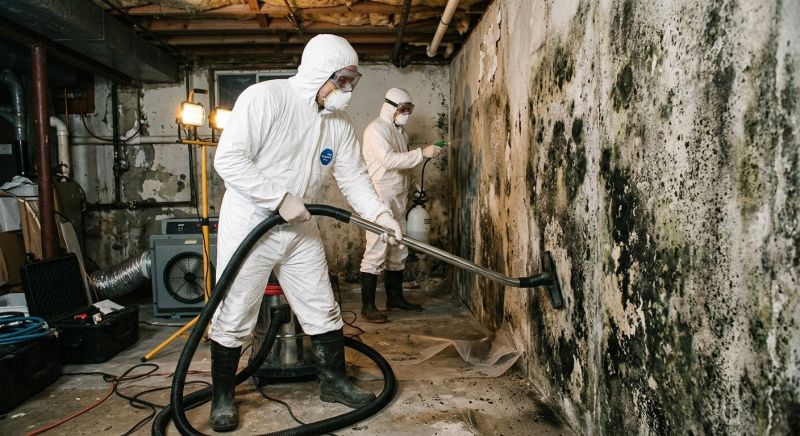
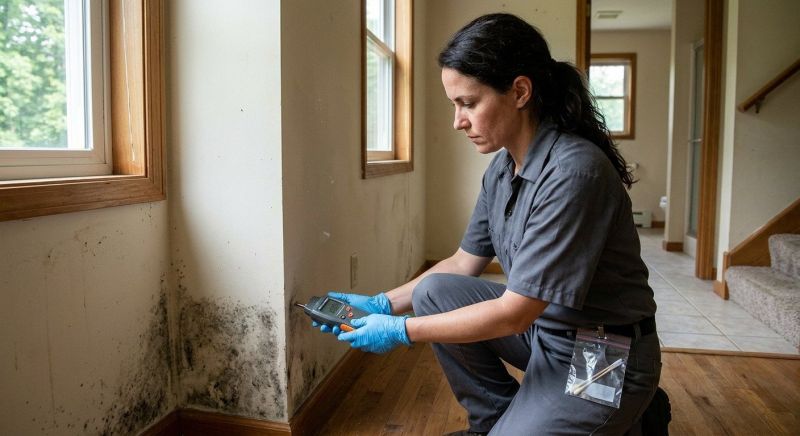
Mold control services focus on identifying and removing mold growth within residential properties. These services typically address issues such as excess moisture, water damage, or humidity problems that can lead to mold development on surfaces like walls, ceilings, basements, and attics. Property owners often request mold control when they notice visible mold, experience musty odors, or want to prevent potential health concerns associated with mold exposure. The process involves thorough inspection, mold removal, and recommendations to reduce future growth, helping to maintain a healthier indoor environment.
Before requesting mold control, homeowners should understand the extent of mold presence and any underlying causes, such as leaks or poor ventilation. It’s important to consider whether the mold growth is surface-level or more extensive, as this influences the scope of the project. Property owners may also inquire about the materials affected, the potential for recurring issues, and any necessary repairs to address moisture sources. Clear communication about these details can help ensure the project effectively resolves mold problems and supports long-term property health.
Many property owners in Essex County, NJ look into Mold Control for repairs, replacements, upgrades, and appearance-related improvements.
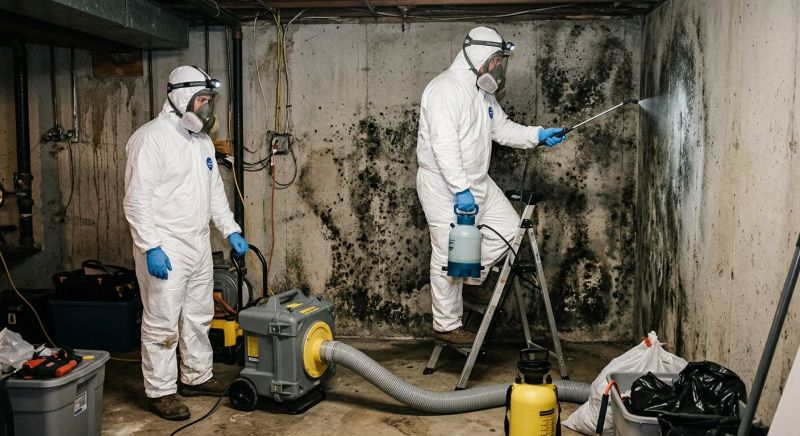
Identifying Mold Risks
Understanding common sources of mold growth helps protect indoor air quality in essex county homes.
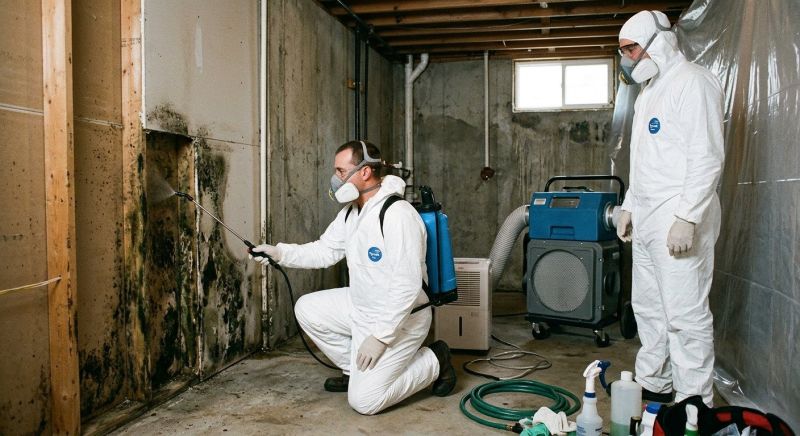
Effective Mold Removal
Professional mold control services eliminate existing mold and prevent future outbreaks in residential and commercial spaces.
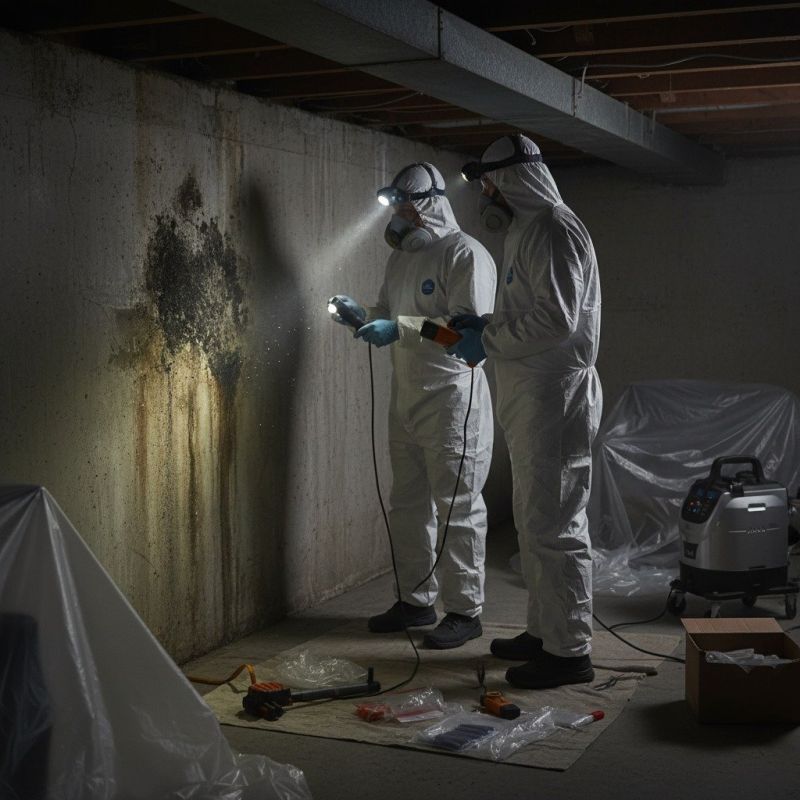
Preventative Measures
Implementing proper ventilation and moisture control can reduce the likelihood of mold developing in property interiors.
Mold Control in Essex County, NJ

Mold control services focus on identifying and removing mold growth within residential properties. These services typically address issues such as excess moisture, water damage, or humidity problems that can lead to mold development on surfaces like walls, ceilings, basements, and attics. Property owners often request mold control when they notice visible mold, experience musty odors, or want to prevent potential health concerns associated with mold exposure. The process involves thorough inspection, mold removal, and recommendations to reduce future growth, helping to maintain a healthier indoor environment.
Before requesting mold control, homeowners should understand the extent of mold presence and any underlying causes, such as leaks or poor ventilation. It’s important to consider whether the mold growth is surface-level or more extensive, as this influences the scope of the project. Property owners may also inquire about the materials affected, the potential for recurring issues, and any necessary repairs to address moisture sources. Clear communication about these details can help ensure the project effectively resolves mold problems and supports long-term property health.
Many property owners in Essex County, NJ look into Mold Control for repairs, replacements, upgrades, and appearance-related improvements.
Common Mold Control Jobs
Mold Remediation - eliminates existing mold growth from affected areas to improve indoor air quality.
Mold Prevention - implements strategies to reduce moisture and inhibit future mold development.
Water Damage Restoration - addresses leaks and flooding that can lead to mold growth if untreated.
Ventilation Improvements - enhances airflow in damp areas to decrease humidity levels.
Attic and Basement Mold Control - targets common mold hotspots in less visible, high-moisture spaces.
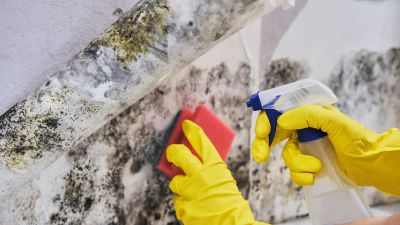
Surface Cleaning and Disinfection - safely removes mold spores from walls, ceilings, and other surfaces.
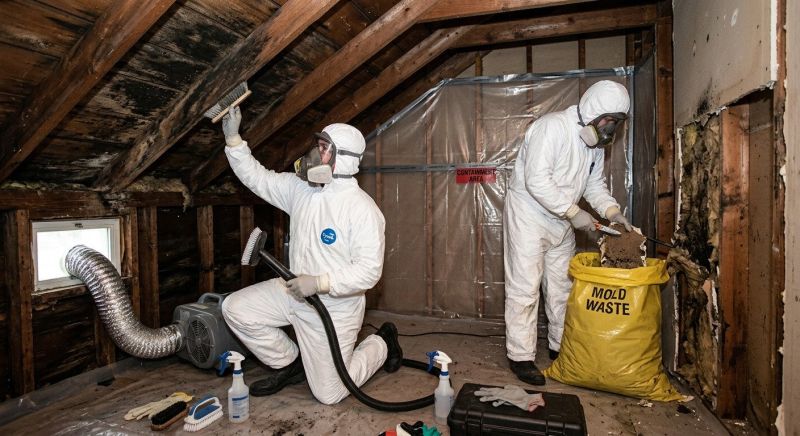
Mold Control Questions
What causes mold growth indoors? Mold can develop due to excess moisture from leaks, high humidity, or poor ventilation in a property.
How can mold be prevented in a home? Maintaining low humidity levels, fixing leaks promptly, and ensuring proper airflow help reduce mold risk.
What types of surfaces are most susceptible to mold? Porous materials like drywall, ceiling tiles, and carpet are more prone to mold growth if exposed to moisture.
What should property owners do if they find mold? It is recommended to have a professional assessment to determine the extent and appropriate removal methods.
Request Mold Control in Essex County, NJ
Use the quote form on this page to share the basics of your project and request more information for the type of work you need.