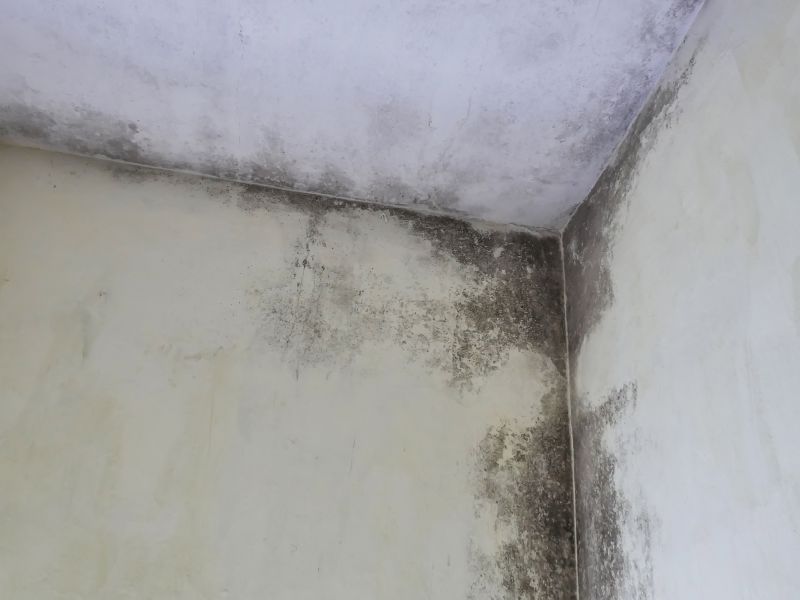
Ceiling Mold Removal in Dallas, TX
Ceiling mold removal services address the issue of mold growth that appears on or within ceiling surfaces, often caused by excess moisture, leaks, or poor ventilation. These projects typically involve identifying the source of moisture, safely removing visible mold, and treating the affected areas to prevent future growth. Homeowners may request this service in areas prone to humidity, such as bathrooms, kitchens, or basements, or after water damage incidents. Understanding the extent of mold growth, the underlying cause, and the materials involved is important before requesting removal, as it helps ensure effective treatment and proper remediation.
Property owners should know that ceiling mold removal can vary depending on the severity of mold presence and the type of ceiling material. The process may involve cleaning, surface treatments, or in some cases, replacing affected ceiling sections. It’s essential to address mold promptly to maintain indoor air quality and protect the structural integrity of the property. Clarifying concerns about the scope of work, potential material replacement, and moisture control measures can help ensure the project meets individual needs and expectations.
Many property owners in Dallas, TX look into Ceiling Mold Removal for repairs, replacements, upgrades, and appearance-related improvements.
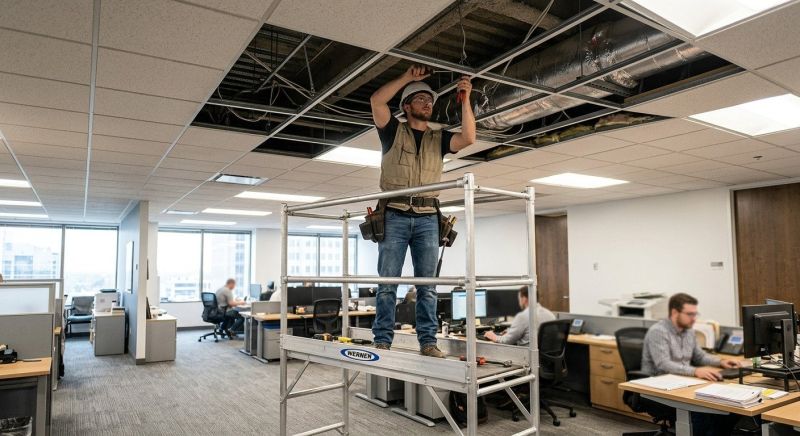
Signs Of Ceiling Mold
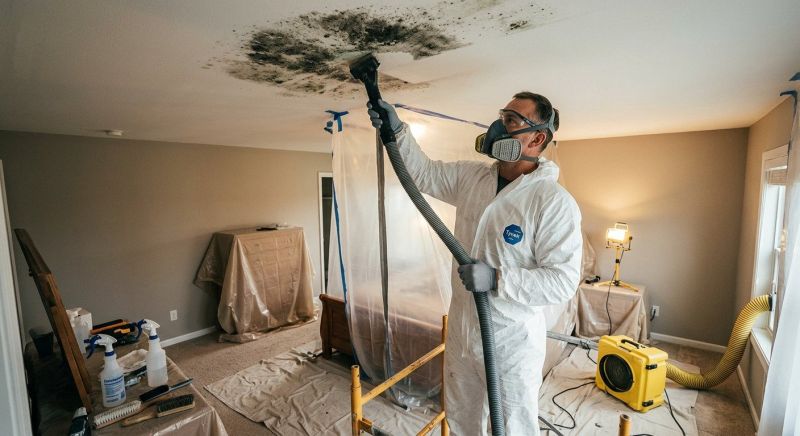
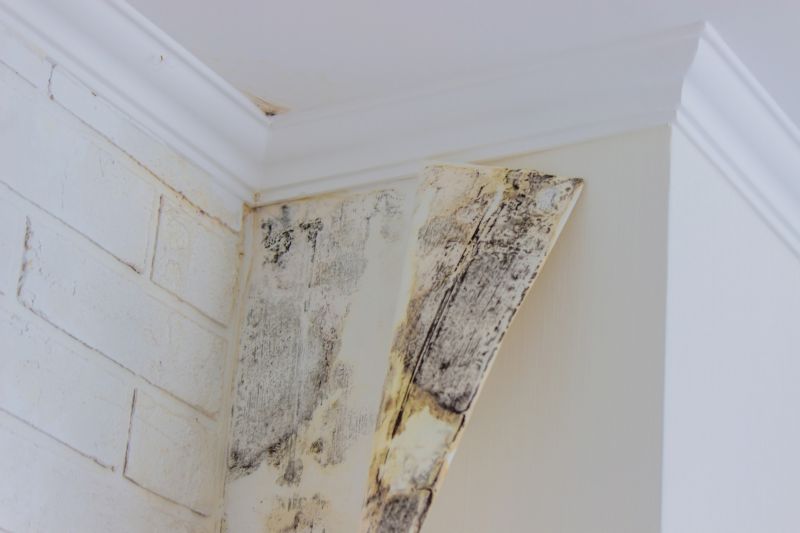
Discoloration, musty odors, or bubbling paint can indicate mold growth on ceilings.
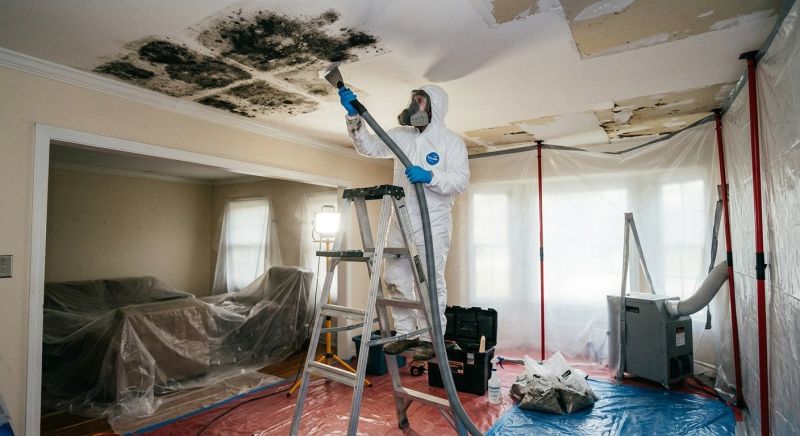
Common Causes Of Ceiling Mold
High humidity, water leaks, and poor ventilation often lead to mold development in dallas homes.
Benefits Of Professional Removal
Expert mold removal improves indoor air quality and helps protect the structural integrity of your ceilings.
Ceiling Mold Removal in Dallas, TX

Ceiling mold removal services address the issue of mold growth that appears on or within ceiling surfaces, often caused by excess moisture, leaks, or poor ventilation. These projects typically involve identifying the source of moisture, safely removing visible mold, and treating the affected areas to prevent future growth. Homeowners may request this service in areas prone to humidity, such as bathrooms, kitchens, or basements, or after water damage incidents. Understanding the extent of mold growth, the underlying cause, and the materials involved is important before requesting removal, as it helps ensure effective treatment and proper remediation.
Property owners should know that ceiling mold removal can vary depending on the severity of mold presence and the type of ceiling material. The process may involve cleaning, surface treatments, or in some cases, replacing affected ceiling sections. It’s essential to address mold promptly to maintain indoor air quality and protect the structural integrity of the property. Clarifying concerns about the scope of work, potential material replacement, and moisture control measures can help ensure the project meets individual needs and expectations.
Many property owners in Dallas, TX look into Ceiling Mold Removal for repairs, replacements, upgrades, and appearance-related improvements.
Common Ceiling Mold Removal Jobs
Ceiling mold removal - eliminates mold growth caused by excess moisture or leaks.
Water damage restoration - addresses mold issues resulting from roof leaks or plumbing problems.
Mold remediation - safely removes mold from ceilings to improve indoor air quality.
Leak repair - prevents future mold growth by fixing sources of water intrusion.
Surface cleaning - removes visible mold stains and prevents recurrence.
Moisture control - implements strategies to reduce humidity and inhibit mold development.
Ceiling Mold Removal Questions
What causes ceiling mold? Ceiling mold often results from excess moisture, such as leaks or high humidity, that creates a suitable environment for mold growth.
How can I tell if my ceiling has mold? Signs include visible discoloration, musty odors, or peeling paint, indicating possible mold presence.
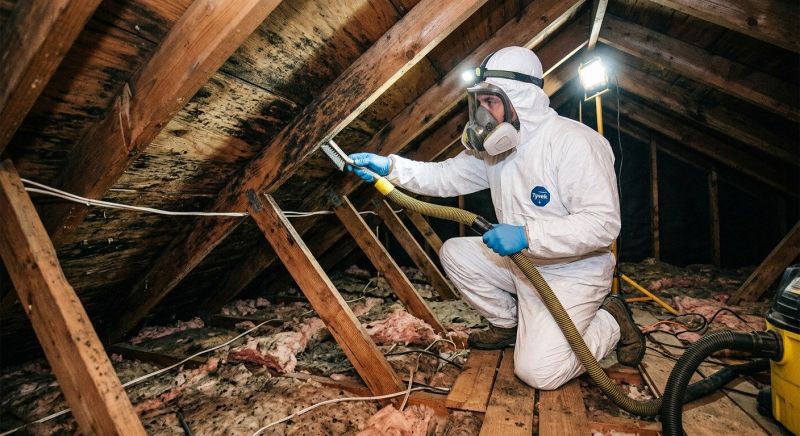
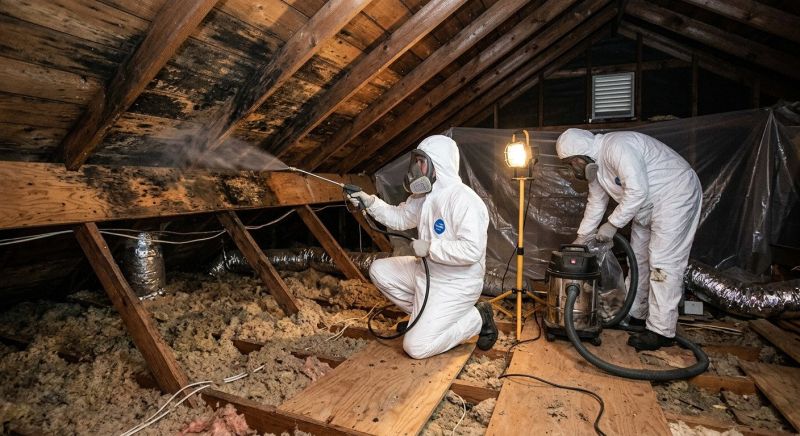
Is mold removal safe for my home? Professional mold removal ensures that mold is properly contained and eliminated, reducing health risks and preventing spread.
What types of ceilings are commonly affected? Mold can develop on various ceiling types, including drywall, popcorn ceilings, and tile, especially in areas prone to moisture.
Request Ceiling Mold Removal in Dallas, TX
Use the quote form on this page to share the basics of your project and request more information for the type of work you need.